Return to Uzone News Portal

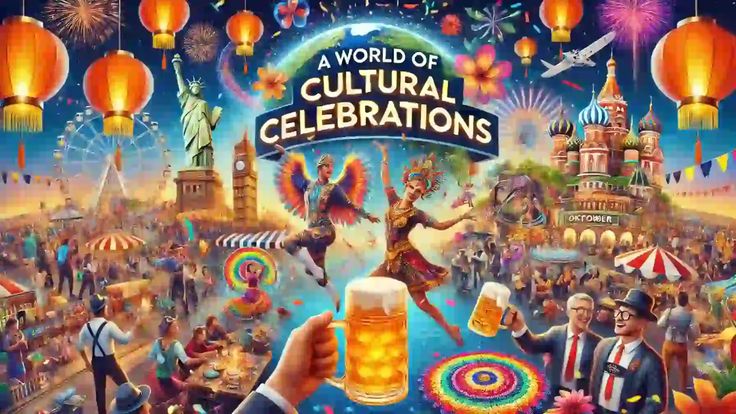
A Cultural Festival is not a show it’s a living celebration of heritage, art, and communal spirit. From stunning performances to authentic cuisine, cultural festivals bring people together and offer an excellent opportunity to partake in the wealth of world heritage. In an increasingly interconnected world, these festivals are the way of the era in respecting diversity and harmony.
The Nature of a Cultural Festival
In its very essence, a cultural festival is the majesty of tradition that is ancient. Music, dance, artworks exhibition, or food, it is all reflective of the people and their culture. Also, festivals are a platform where the past catches up with the present, where new generations once again learn about their heritage as they pass them over to the world.
Why Cultural Festivals Matter
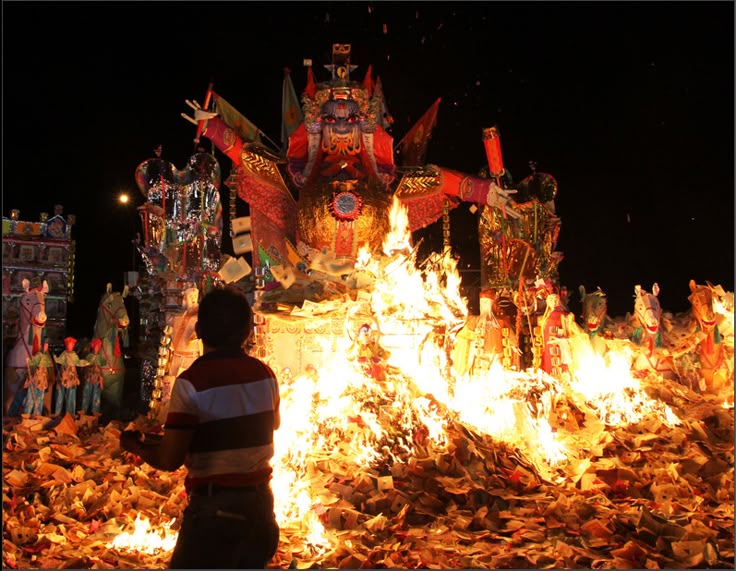
Festivals of culture are not only educative but also fun. They allow participants and onlookers to:
- Acquire knowledge about diversity – Be introduced to cultures from across the globe and everywhere within territories.
- Foster community bonds – Develop oneness in diversity.
- Ensure heritage – Maintain age-old customs for future generations.
Apart from this, cultural festivals are also an economic boon because tourists travel to destinations that have held successful festivals. Therefore, cultural festivals are also beneficial to communities as well as tourists.
Highlights of a Cultural Festival
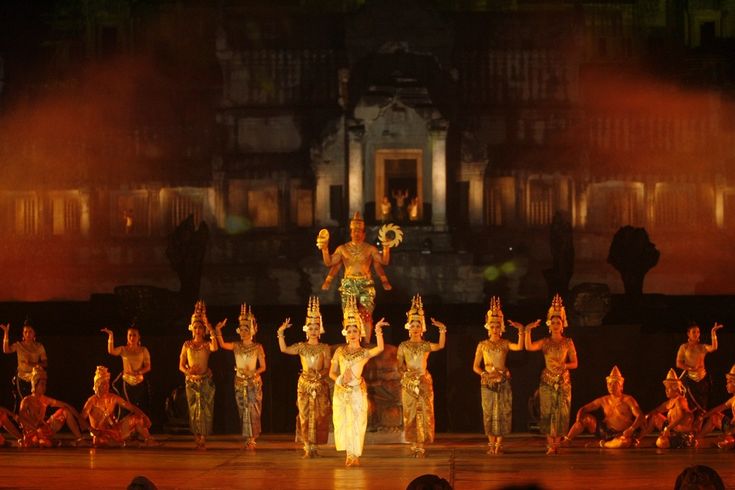
There are certain specialties of all cultural festivals which make it a success. For instance:
- Traditional Performances – Music, dance, and drama passing on cultural stories.
- Art Exhibitions – Installations, crafts, and paintings depicting identity.
- Food and Cuisine – Flavours that define the culture in real terms.
- Workshops and Interactive Sessions – Interactive sessions to feel the traditions.
Thus, these elements provide a multi-sensory experience with memories which are etched forever in the minds of the tourists.
Cultural Festivals Around the World
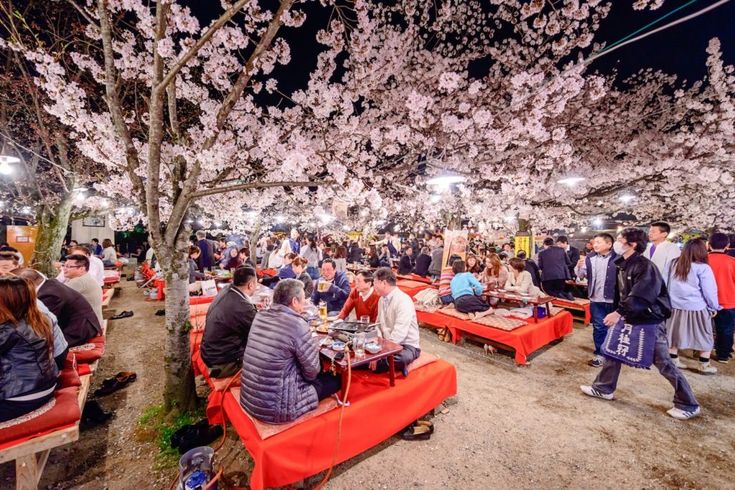
Festivals of culture are being celebrated all around the world, and each one of them is lovely in its own way. Some of them are:
- Diwali Festival of India – A beautiful festival of light and culture.
- Carnival of Brazil – A colorful parade of music, dance, and bright clothes.
- Oktoberfest of Germany – A joyous festival that combined tradition, food, and people spirit.
- Japan’s Cherry Blossom Festival – An incredible display of nature and culture.
Small towns have their own local festivals, just as vividly traditional and genuine.
Making the Most of a Cultural Festival
Travelers have to:
- Plan ahead – Read plot summaries and event listings.
- Be an active participant – Participate in workshops, dance lessons, or samples.
- Approach respectfully – Be open to alternate culture respectfully.
- Capture the moment – Photo and video, but also immerse in the atmosphere.
By following these steps, travelers can create fond memories at the same time contributing to culture preservation.
Conclusion
In short, a Cultural Festival is not simply a gathering—but a celebration of the entire past and imagination of humankind. In addition, it enhances cultural taste, maintains community character, and promotes world togetherness. As a tourist seeking to experience something new or a local coming to visit to celebrate your heritage, a cultural festival is an adventure that will never be forgotten into the very essence of tradition and diversity.