Return to Uzone News Portal

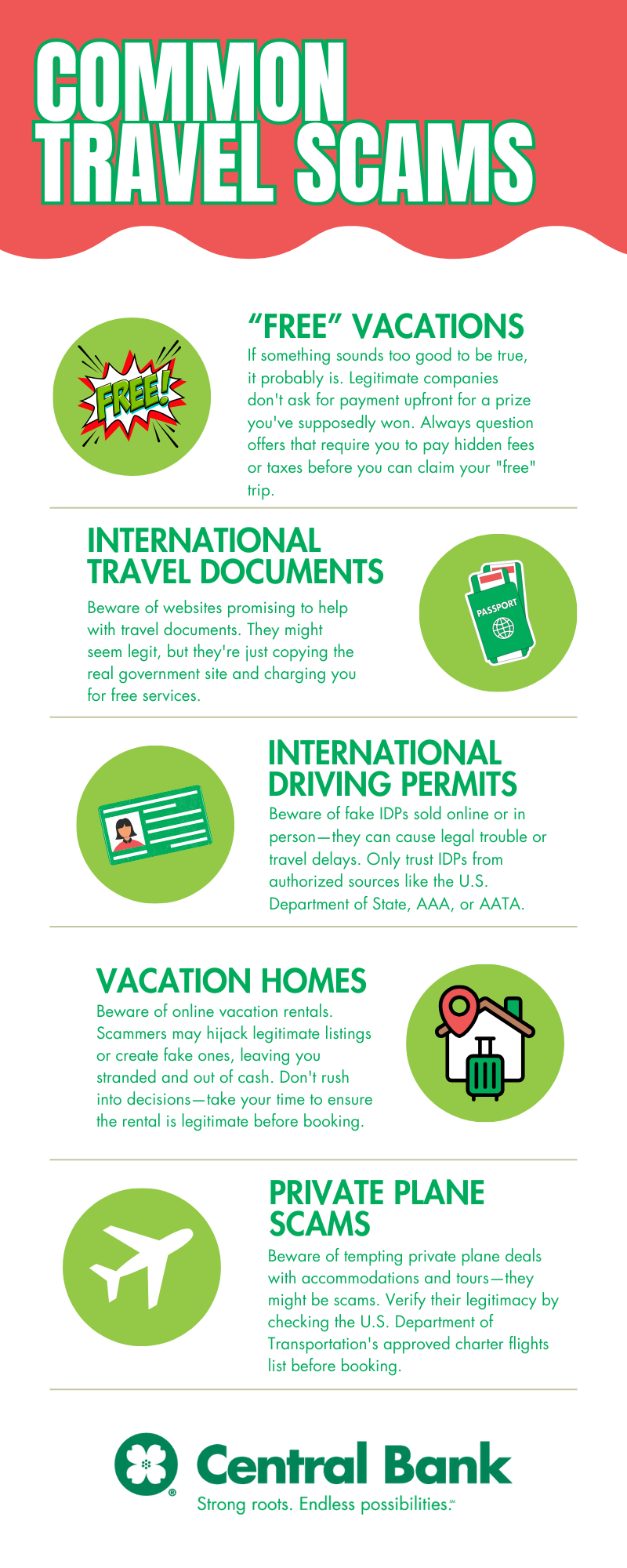
Travel Fraud this is Your one-stop guide to staying one step ahead of fraud while exploring the world.
1. The Increasing Threat of Travel Fraud
a. Why Travel Fraud is on the Rise
The ease of internet travel bookings has transformed the industry, but it has also created opportunities for fraud. Dozens of tourists are victims of scams each year and lose not just money, but precious travelling experiences.
b. The effects of travel fraud
It is heartbreaking to fall prey to travel fraud:
- Cost – Internet scammers at times manipulate tourists into paying for non-existent bookings or inflated services.
- Canceled holiday plans – Misleading reservations and false operators might lead to massive inconvenience.
- Safety hazards – In some instances, fraud exposes tourists to risks, especially if you are traveling to a foreign nation.
2. Frequent Travel Scams and How to Spot Them
Being aware of the most common travel scams will keep you safe and vigilant.
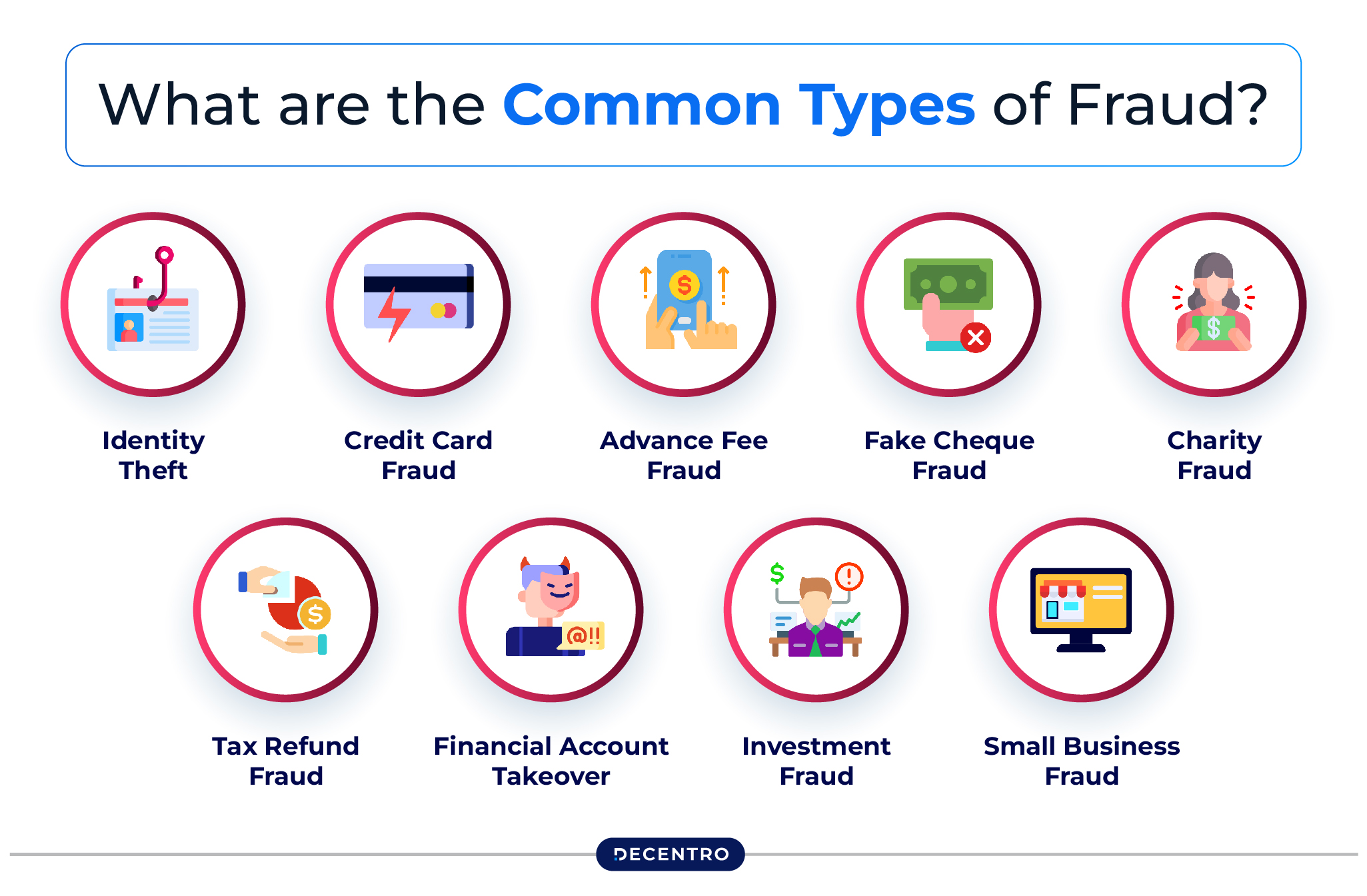
a. False Travel Agencies & Booking Scams
The scammers establish false travel agencies offering discounted vacations or VIP deals that do not exist. They most often use:
- Copied websites pirated from genuine travel websites.
- Social media advertisements with incredible too-good-to-be-true deals.
- Rush-hour booking requests, with the demand for immediate wire transfers.
Be safe:
- Transact with reputable travel operators with good customer reviews.
- do not wire money directly through banks, do credit card transactions that are protected against fraud.
b. Phishing Emails & Scams of Bogus Travel Offers
Travel offers presented through emails are generally baits for phishing emails with malicious links or attachments aimed at stealing your financial information or personal information.
How to spot phishing scams:
- Verify email senders – real travel companies never use generic domains (e.g., [email protected] versus [email protected]).
- Double-click over links before they click to ensure that they take them to original sites.
- When unsure, go directly to the original website instead of email links.
c. Expensive Taxi & Transport Scams
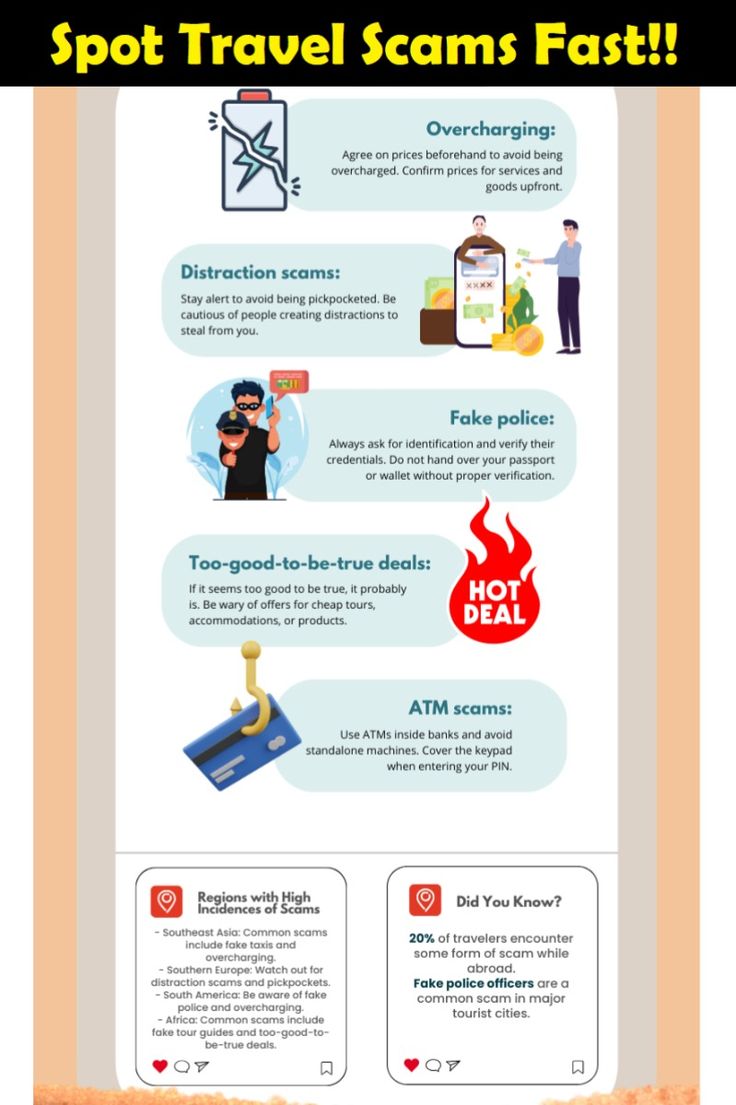
Tourists are a soft target for taxi scams with drivers charging extra or fake detours to charge more.
Methods to avoid paying more than needed:
- Regular ride-hailing services like Uber, Grab, or Bolt.
- Make sure the taxi metre is working or agree on a price in advance.
d. Scam Hotel & Accommodation Listings
Some scam listings for good-quality accommodations that do not exist or are something different from the photo.
Warning signs:
- Listings without genuine reviews on well-established websites.
- Check hotels that ask for payment in advance before arrival off main websites.
- Prices too low compared to similar accommodations.
How to avoid booking scams:
- Book from reputable main websites such as Booking.com, Expedia, or Airbnb.
- Review traveler comments and look for typical criticisms before booking.
e. Currency Exchange Scams
You can lose money due to poor exchange rates or worse, counterfeit money by exchanging currency at unofficial locations.
How to exchange money safely:
- Obtain money from ATMs within banks rather than from money changers in the street.
- Agree on exchange rates beforehand to be safe from being swindled.
- Carefully count your money when leaving the exchange counter.
f. Street Scams & Pickpocketing
Pickpocketing and scams are frequent on touristy streets, where thieves use distractions to pilfer items of value.
Some common methods involve:
- Someone “accidentally” dropping something on you, then helping to clean it off while an accomplice steals from your pocket.
- A friendly local asking for assistance or engaging in an odd chat to distract you.
- Impostor undercover police requesting your wallet or passport.
How to remain safe:
- Keep your valuables safe in a secure, hidden money belt or anti-theft backpack.
- Politely refuse help from strangers in unusual situations.
- Carry little money and a photocopy of your passport when going sightseeing.
3. How to Avoid Travel Fraud
a. Do Your Research Before Booking
- Read traveller feedback and information on multiple sources.
- Ensure sites possess secure payment facilities (for “https” and official logos).
b. Pay Securely
- Pay with a credit card or PayPal, which is safer against fraud than cash or wire transfer.
- Do not pay by direct bank transfer unless to a well-known, reputable company.
c. Be Suspicious of Offers That Sound Too Good to Be True
- If the offer is significantly lower than the market price, be cautious.
- Verify transactions in person on airlines’ websites, hotels, or tour operators’ websites.
d. Take Travel Fraud Insurance
- A good travel insurance policy can reimburse for loss as a result of fraud, trip cancellation, and theft.
- Utilize policies that have fraud protection and emergency services.
e. Be Careful in Tourist Areas
- Don’t display costly jewelry, as this would be thieves’ magnets.
- Be cautious of overly friendly strangers who offer unsolicited help.
4. What to Do If You Are a Victim of Travel Fraud
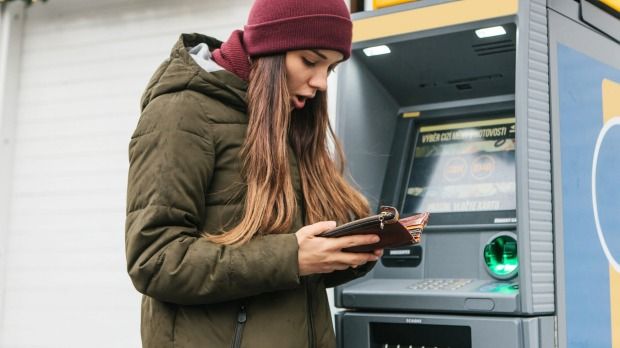
If you are a victim of fraud, act quickly:
- Report to your home country’s embassy and local police if documents are involved.
- Alert your bank or payment service to refuse any attempted fraudulent use.
- Alert other travelers by posting travel website and social media warnings.
5. Conclusion: Travel Smart, Stay Safe
Travel fraud exists, but with knowledge and caution, you can travel anywhere in the world and be safe.
Key Takeaways
- Verify on reservations and payment details before final payments.
- Avoid too-good-to-be-true offers.
- Guard your financial and personal data.
- Guard against typical scams that take place in regions of tourist visit.
- Report the fraud the moment you sense it is fraud.
Travel wisely and beware, and you shall be fraud-free and shall be able to enjoy the best of experiences. Safe travels!